


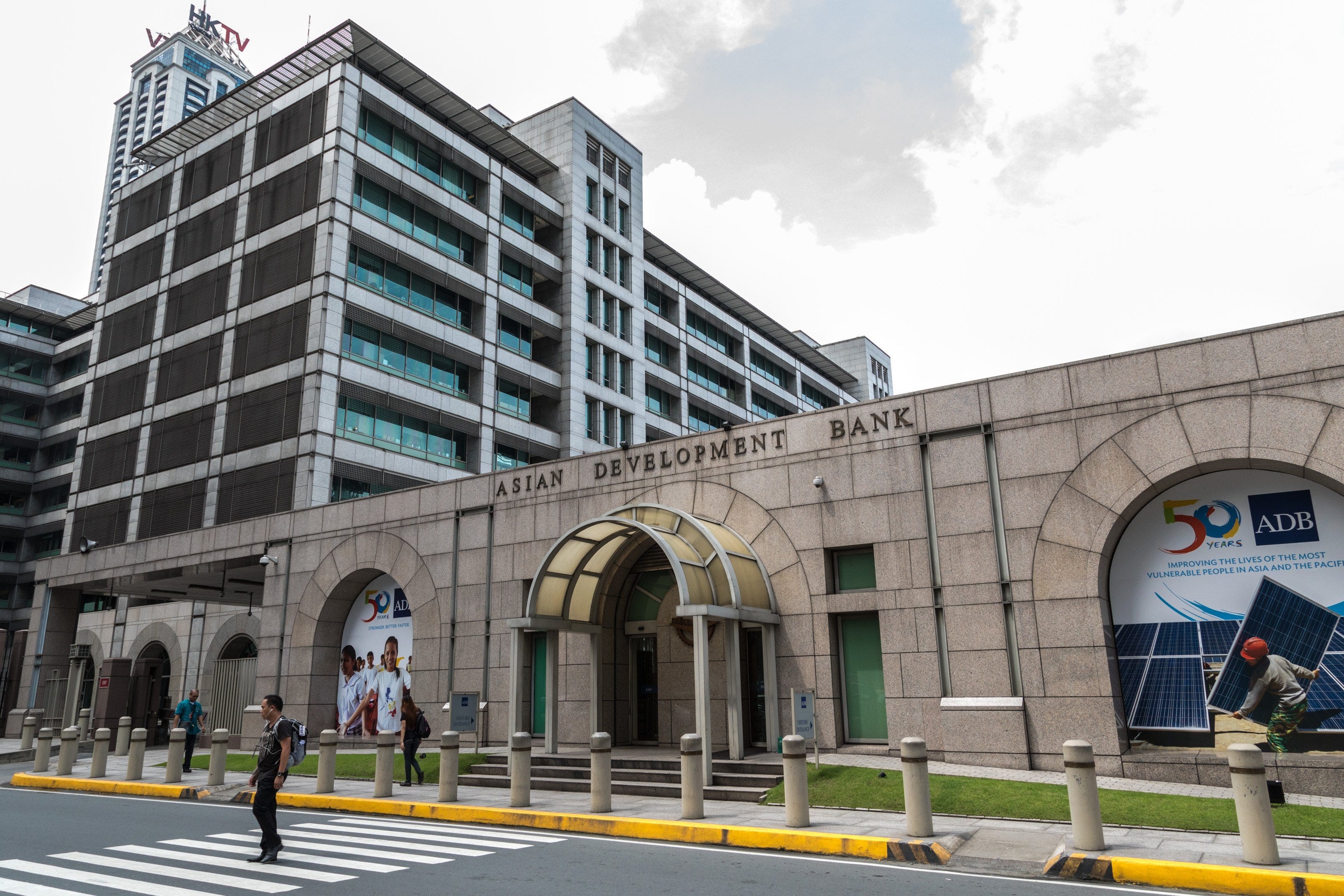
What is the ADB Young Professionals Program?
First up, the YPP is ADB’s entry-level program for recruiting top young talent into Asian Development Bank jobs in development finance. Each year, thousands of applicants compete for only a handful of spots. Typically around 10 to 20 candidates are selected from a pool of 2,000 to 4,000, making the ADB YPP extremely competitive.
This comprehensive guide breaks down everything you need to know so you can prepare with confidence and insider insight.
The ADB YPP is a structured talent development program that fast-tracks early-career professionals into future leaders at the Asian Development Bank. As a YP, you’re entering a program designed to give you hands-on exposure to ADB’s operations, policies, and Strategy 2030 development priorities. This means from day one you’ll work on real projects across Asia and the Pacific, contributing to ADB’s mission of alleviating poverty and promoting sustainable development. It’s a launchpad for an international career in development finance, very much akin to the World Bank’s own YPP in prestige and purpose.
Why is the ADB YPP so sought-after? First, it’s a rare foot in the door at ADB for those with limited experience. Remember, the average age of an ADB employee is roughly 45. So if you’re in your late 20s or early 30s, this is a pretty good way to get your foot in the door. The program specifically targets young professionals with around 3+ years’ experience, rather than requiring decades in the field. Second, ADB invests heavily in YPs. The program offers a rotation across departments, professional training, and a dedicated mentorship program, preparing you to take on higher responsibilities. Third, the compensation and benefits are pretty insane (more on that later). Combined with ADB’s impactful mission, it’s no surprise this program attracts thousands of applicants every cycle.
The select few who get through the gauntlet end up making it pretty far in ADB. Part of this is also due to having a close ‘cohort’ of other YPs. As you spend more time in the Bank, and the cohort spreads out across departments, this network can become a pretty important tool in getting stuff done. Unfortunately, ADB, like most MDBs, is a maze of teams, divisions and departments with your typical coordination issues. So having this strong network can help you work through such issues and get stuff done.
Program Structure and Highlights
Fixed 3-Year Appointment (with a 5-year cap): ADB YPs are appointed as international staff at grade YP1 on a fixed-term appointment with option to renew (FT-REN), initially for three years. After the first 12 months, which is a probationary period, confirmed YPs are promoted to YP2. You then move to TI1 (the first Technical International grade) when you’re absorbed into an assigned position. According to the 2026 vacancy notice, you “graduate” from the YPP when you move into a vacant non-YP position, either through a selection process or a transfer. If that hasn’t happened by the end of year three, the appointment can be extended for up to two more years, subject to performance. If you still haven’t moved into a regular position by the end of year five, the appointment ends.
Initial Placement in Manila: All Young Professionals start at ADB Headquarters in Manila, Philippines. You’ll be placed in a department aligned with your background. ADB now describes this as either an operations department (for example the Climate Change and Sustainable Development Department, the Private Sector Operations Department, the Office of Markets Development and Private Partnership, or one of the sectors departments) or a direct operations support department such as the Economic Research and Development Impact Department (ERDI) or the Strategy, Policy and Partnerships Department (SPD). This initial assignment lasts about 18 months, during which you’ll gain deep experience in ADB’s core work.
Rotational Assignment: After 18 months, and once you’re cleared for rotation, you’ll move to a new assignment in another area of ADB to broaden your exposure. ADB says the rotation is aligned with both your career interests and organizational needs. In practice, if you’re a YP, you essentially get to choose which department you want to rotate to (with the Director’s approval of course). This is because your salary is paid out of HR’s budget, rather than each department’s budget. So in simple terms, you’re free labor for the department you want to rotate to. This means it’s pretty compelling for them to accept you into their team for a rotation.
Field Exposure: You should expect to get out of the office and into the field (these are called ‘missions’). ADB YPs take part in everything from fact-finding missions to policy studies and project execution across Asia and the Pacific. So depending on where you are, you might find yourself traveling to evaluate a new infrastructure project, joining country programming discussions, or assisting in project appraisals and reviews in member countries. This on-the-ground exposure is where you see the real impact of ADB’s work and is a core part of the YPP experience. It’s also increasingly relevant: under President Masato Kanda, ADB has been pushing more authority out to its country offices.
Training & Development: ADB heavily invests in your growth. YPs get access to a range of learning and development programs, both in-house and external, covering everything from ADB policies and project management to leadership and communication skills. You’ll also be part of ADB’s Young Professional mentorship program, where experienced technical staff (many of whom began their own careers as YPs) guide you. And you’ll join a cohort of fellow YPs to learn alongside each other. The goal is that by the end of the program, you’re competent in your technical area and also groomed for leadership roles ahead.
Long-Term Career Path: The YPP is designed as a pipeline to a long-term career at ADB. The hope is that you transition into a regular staff position and continue advancing within the Bank. Many YP alumni go on to assume senior roles at ADB over time. Of course, continuation isn’t automatic. ADB is explicit that moving into a non-YP position “is not automatic and does not confer an entitlement to continued employment.” You’ll need to perform well and win a vacant position. But ADB’s aspiration is to retain successful YPs, and, from what I’ve heard, it’s insanely rare that YPs don’t get offered full-time positions at the Bank after the program wraps up. The timing also helps: ADB is in the middle of the biggest hiring push in its history, with around 700 positions planned for 2026 alone, so there are more vacant positions to move into than ever.
Key Responsibilities of an ADB Young Professional
As an ADB Young Professional, you will immediately be contributing to the Bank’s mission through its main instruments: loans, technical assistance, grants, advice, and knowledge. Expect real responsibility. This isn’t an internship and it isn’t a graduate program. YPs have prior work experience, and are treated as professional staff. You’ll report to a Director and/or designated technical staff. Here are the main areas you could work in:
Strategy & Planning: You’ll help shape ADB’s strategies and policies by contributing your analysis and fresh insights. YPs assist senior staff in developing policy and strategy, and support research and analysis, including on the development impact of ADB operations. For example, you might research how ADB’s investments are reducing poverty or analyze economic trends to inform country partnership strategies.
Project Management: Much of ADB’s work is delivering loans, grants, and technical assistance projects across sectors. YPs get involved in the project cycle. This may involve helping develop and process new projects, through to administering ongoing ones. You might be preparing project documents, doing financial or economic analysis, or coordinating with government counterparts. A key part is ensuring ADB’s policies and guidelines are integrated into project design and implementation, so you’ll learn ADB’s standards on everything from environmental impacts to procurement rules.
Knowledge Sharing: ADB is also about knowledge. As a YP you may contribute to research, publications, and advocacy. This is particularly the case if you work in a department like the Economic Research and Development Impact Department (ERDI). This could mean co-authoring knowledge briefs, organizing seminars, or supporting advocacy campaigns in your department’s specialty. You’re encouraged to bring innovative ideas and share global best practices.
Additionally, YPs may supervise junior team members, gaining some people-management experience early on.
In any case, it’s a role with plenty of variety. One day you might be crunching economic data, and the next you’re fielding questions from a government ministry or representing your team in an internal meeting.
The common thread is meaningful work that directly contributes to ADB’s development projects and policies on the ground.
Eligibility Criteria
Before you set your heart on the ADB YPP, make sure you meet the eligibility requirements. ADB is strict on these criteria:
Age: You must be not more than 32 years old upon joining ADB. ADB’s own FAQ is blunt about this: “only applicants 32 years old and below will be considered.” There is no flexibility on this upper age limit. If you’re even a few months over on your start date, unfortunately you won’t qualify. Because this cycle’s YPs will join in 2027, do the maths against a 2027 start date, not today’s date.
Nationality: You must be a national of one of ADB’s 69 members (50 of which are from the region). ADB only hires nationals of its members. I provide an outline of which countries are members here.
Education: A university degree is the minimum, in Economics, Finance, Business Administration, Engineering, Environment, Law, Social Sciences, Public Policy, or another area relevant to ADB’s operations. However, the 2026 vacancy now states that a postgraduate degree or its equivalent is preferred, and I haven’t heard of many people being offered a position without a Master’s degree. Despite what you may have heard, a PhD is not a pre-condition. Only a couple of YPs have a PhD each cohort. However, one thing to note is that ADB will consider a PhD in lieu of work experience. I.e. a doctorate can count toward the 3-year experience requirement.
Professional Experience: You need at least 3 years of relevant professional experience in fields related to ADB’s operations. The 2026 vacancy lists macro or development economics, climate change, commercial/investment banking or corporate investment, education, energy, environment, the financial sector, public health, public-private partnerships, rural development, transport, urban planning, water, and agriculture and natural resources. Essentially, ADB is looking for people who have proven they can apply their skills in real-world settings. Also, internships count. ADB’s FAQ now says explicitly that the 3-year minimum is “including internships.” International experience in areas related to ADB operations is listed as an asset, though it’s not strictly required.
Language: Written and verbal proficiency in English is mandatory. ADB conducts its business in English, so you must be able to communicate complex ideas clearly. You don’t need a specific test score (no formal IELTS/TOEFL requirement), but your application and interviews will quickly reveal your proficiency. Additional language skills (especially Asian languages) can be a bonus, but English is the key.
Core Skills and Attributes: Beyond formal criteria, ADB says it wants people who are passionate and committed to development work, keen and agile learners, and strong on interpersonal skills. The vacancy also points you to ADB’s Competency Framework for Technical International level 1, which is worth reading before you write anything. During the selection they’ll be gauging if you have the right mindset: Are you motivated by development impact? Can you collaborate with colleagues from around the world? Can you think critically and solve problems? These soft skills and values are often what distinguish those who get selected.
If you tick all the boxes above, you’re eligible to throw your hat in the ring. And if you’ve applied before and didn’t get through, ADB confirms you can apply again, regardless of how far you got last time, as long as you still meet the requirements.
Keep in mind that meeting minimum requirements is necessary but not sufficient. The vast majority of applicants will meet them, so you’ll need to stand out (we’ll cover how to do that in the tips section).
How to Apply and Key Dates
Applying to the ADB YPP is done through ADB’s online careers portal. Here’s what you need to know about the application process and timeline:
Application Period: The YPP recruitment is annual, usually opening in early September. The current cycle opened on 1 September 2026 and closes on Wednesday, 30 September 2026. The official deadline is 11:59 p.m. Manila time on the closing date. Note that the vacancy also lists “0800 GMT” alongside it, which is actually earlier than 11:59 p.m. Manila time. So to be safe, get your application in before 08:00 GMT on 30 September. Late submissions won’t be considered.
Where to Apply: Applications must be submitted through the ADB Career and Employment System (ACES) on the official ADB website. The YPP is listed as a vacancy titled “Young Professional” (reference number 260870, grade YP1). You’ll need to create an account, fill out an online profile, and complete the application forms there.
Application Components: Through the online system, you will need to:
Fill in your personal details and education/work history (similar to a resume).
Upload your CV (résumé) in the “Attachments” section. Ensure it’s up to date and tailored (see tips below).
Upload your most recent university transcript, also in the “Attachments” section. Make sure to get an official copy ready.
Answer any questions in the application form. The 2026 checklist doesn’t list a cover letter as a required attachment. That means your CV and the form have to do all the work of explaining why you’re applying and how you fit. If there’s any space to explain your motivation, take it seriously. The bottom line is that you shouldn’t just ChatGPT this.
Double-check that both required documents are attached in the correct format before submitting. Incomplete applications are usually rejected upfront. And, I highly, highly encourage you to submit your CV as a PDF attachment (even if you’re able to enter your prior experience on the form directly). This makes it much easier for the HR staff to read your application. I’ve heard the ADB platform is insanely clunky and annoying to use on ADB’s end.
Timeline: After the application deadline passes, ADB’s HR and department panels will screen applications through October and November. Shortlisted candidates then move through the online assessment and video interview. According to ADB, panel interviews take place between December and February, and the 2026 vacancy specifies the first quarter of 2027 for this cycle. Offers usually follow around March. If you are selected, the start date is usually mid-year (around August or September 2027), allowing time for any notice periods and relocation to Manila.
Keep an eye on your email (and spam folder) in the months after applying. You can also check your application status in ACES. If you don’t hear anything by, say, December, it likely means you weren’t shortlisted. Due to the volume of applications, ADB usually contacts only those moving forward to assessments or interviews.
The Selection Process: Stages and What to Expect
ADB’s selection process for the YPP is multi-stage and rigorous, designed to filter for the best candidates. The 2026 vacancy names three formal stages for shortlisted candidates: an online assessment, a recorded video interview, and panel interviews. Knowing what’s coming will help you prepare for each hurdle. Here’s an overview of the typical stages:
Initial Screening: After you submit your application, ADB HR and hiring departments review all applications to ensure candidates meet the minimum requirements and assess basic qualifications. They’ll be looking at whether you fit the main requirements (e.g. right nationality, right age, good education record, relevant experience). If you tick these boxes you’re typically moved through to the next stage.
Online Assessment: Shortlisted applicants are invited to complete an online assessment as the first test. This often includes those annoying psychometric or aptitude tests to evaluate your analytical thinking, problem-solving skills, and possibly personality traits. You might encounter quantitative questions, logical reasoning puzzles, or situational judgment questions. As annoying as it may be, treat this seriously. Approach it like you would the GRE or GMAT, but also be genuine in any personality/profile portions. The goal is to gauge your cognitive abilities and how you might fit within ADB’s competency framework.
Asynchronous Video Interview: Candidates who perform well on the tests will progress to a one-way video interview, where you record answers to pre-set questions in your own time. Typically, you’ll get a few days to complete this at your convenience, but once you start each question you might have a time limit to think and then a short window to record your answer. Questions in this video interview tend to be behavioral and motivational. For example, you might be asked: “Why do you want to join ADB?” or “Describe a time you had to overcome a challenge in a team.” This is your chance to convey your personality and communication skills. Even though no one is live on the other end, treat it like a real interview. So I’d suggest you dress professionally, speak clearly, and be conscious of your body language. Common advice is to practice recording yourself answering likely questions beforehand so you’re comfortable with the format.
Technical Exercise or Written Test (possible): The 2026 vacancy doesn’t list a separate written test, but in some past YPP cycles there has been a more in-depth technical assessment, such as a written test, a case study, or a short presentation. For instance, you could be asked to write a memo on a development topic within a set time, or analyze a hypothetical project scenario and present your recommendations. The exact format can vary year to year, so don’t be surprised if something like this is folded into the panel stage. Either way, ADB wants to assess your technical knowledge, writing ability, and how you organize your thoughts. Make sure you brush up on key topics in your field (e.g., if you’re a climate specialist, be ready to discuss climate finance trends; if you’re an economist, be prepared for questions on economic development in Asia). Also, be prepared to demonstrate familiarity with ADB’s areas of operation and Strategy 2030 priorities.
Panel Interviews (Final Round): This is the final and most important stage. For this cycle, it’s scheduled for the first quarter of 2027. If you make it here, you typically will have an interview (or multiple interviews) with a panel of ADB professionals, which may include HR, managers from departments that are hiring, and technical experts. Traditionally, ADB has flown final candidates to Manila for an in-person panel interview at HQ and covered travel expenses. In recent times, virtual interviews via videoconference have also become common (sometimes a mix of virtual and in-person). The panel interview is more comprehensive: it assesses your technical expertise, motivation, and interpersonal skills all at once. You can expect a mix of behavioral questions (”Tell us about a time you had to lead a team under a tight deadline”) and technical or sector-specific questions (”What do you think is a key challenge in financing infrastructure in developing Asia?”). They want to see not only that you know your stuff in your domain, but also that you understand ADB’s broader development mandate. For example, you might be asked something like, “What should be done to foster economic growth in the Asia-Pacific region?” or “Where do you see Asia’s financial services industry going in the next decade?”. These are questions that test your awareness of regional development issues. You may also be asked why you’re the right fit for ADB’s YPP (so have a compelling personal pitch ready). Tip: Be prepared to demonstrate knowledge of ADB’s Strategy 2030 and how your skills can contribute to it, as well as a genuine passion for the Bank’s mission.
References and Offer: After the panel interviews, the YP selection committee will make final decisions. If you’re among the top candidates, ADB will contact your referees or do background checks. Then the offer letters are sent out to the successful individuals (usually around March). If you get an offer, congratulations, you’re in! You’ll discuss start dates, salary, and begin the onboarding and relocation process. Candidates who interviewed but weren’t selected will be informed as well, though unfortunately due to volumes often only those getting offers are contacted by that late stage.
Throughout this multi-step process, remember that each stage is eliminative. Only the top performers move on. It’s common for thousands to apply, a few hundred to do the tests, a few dozen to be invited to final interviews, and ultimately perhaps a dozen or two to get hired. The competition narrows at each stage, so treat every stage seriously. Also note that timelines can stretch; patience is key. But no news isn’t always bad news. Sometimes administrative delays mean things take longer. Stay professionally persistent if needed (an email to HR to inquire about your status after a reasonable time can be okay), but also be working on alternate plans, as YPP selection is never a sure bet.
Tips to Succeed in the ADB YPP Selection
Breaking into the ADB Young Professionals Program is tough, but it’s not a mystery. Here are some insider tips and strategies to maximize your chances of success:
Demonstrate Your Commitment to ADB’s Mission: ADB is hiring for a skillset, but also for future development leaders. Throughout your application and interviews, emphasize your commitment to sustainable development in Asia and the Pacific. Reference ADB’s mission and Strategy 2030 priorities and link them to your own experience or goals. For example, you might mention how you’ve contributed to a poverty reduction project or why you’re passionate about infrastructure development in emerging economies. Show them you’re motivated by impact, not just a prestigious job title and a big salary.
Highlight Relevant Experience: Quality Over Quantity. Since candidates aren’t extremely senior (many have 3 to 5 years’ experience), what matters is the relevance and impact of what you’ve done. With no cover letter on the attachment checklist this year, your CV is carrying most of the load. Spotlight projects or roles where you made a difference related to ADB’s work. Maybe you worked on a climate policy, helped structure a financing deal, or conducted research on education outcomes. Whatever it is, make it clear how this prepares you to contribute at ADB. Use concrete achievements (with data if possible) to prove your value. If you have any international experience or work in developing countries, emphasize that, as it signals you can adapt to ADB’s regional context. Even internships in development can carry weight (and ADB now counts them toward the 3 years) if framed as practical experience. Now that said, since the age limit is 32, if you’re 25 years old and competing with a 32 year old then chances are you simply don’t have as much compelling experience. Realistically, most people recruited are in their 30s or late 20s. So don’t be disheartened if you’re in your 20s and don’t get it. Keep applying till you hit the age limit.
Tailor Your Application to “ADB Language”: Familiarize yourself with how ADB describes its objectives and values. For example, ADB talks about supporting “inclusive, resilient, and sustainable” growth. Without parroting jargon, mirror some of this language in your application to show cultural fit. The 2026 vacancy points directly to the Competency Framework for Technical International level 1, so read it and make sure your CV and answers show evidence against those competencies. A one-size-fits-all generic application won’t cut it for YPP. You need to demonstrate you know what ADB is about.
Ace the Online Tests: The psychometric and analytical assessments can be a major filter. Practice similar assessments beforehand. There are plenty of sample aptitude test questions and personality test examples online. Time management is crucial, as these tests are often timed. Read questions carefully and don’t spend too long on any single tough question. For personality portions, be honest but keep in mind the traits ADB wants (e.g., teamwork, leadership potential, integrity). There are no “right” answers in personality tests, but inconsistent or extreme answers might raise red flags. Stay calm and focused during these tests; a quiet environment and good internet connection are a must.
Prepare for Behavioral Questions: A large part of the interview process (video and panel) will be behavioral questions aimed at understanding how you act in various situations. Use the STAR method (Situation, Task, Action, Result) to structure responses about your past experiences. Have a repertoire of stories ready: one showing leadership, one showing teamwork, one showing how you overcame a challenge, one failure and a lesson learned, etc. For example, think of a time you had a tight deadline and how you delivered (they often ask about handling pressure or time management), or a time you worked with people from different cultures, or when a project you led didn’t go as planned and what you did about it. Practice delivering these stories succinctly on camera for the video interview. The key is to demonstrate key competencies like problem-solving, teamwork, adaptability, and communication. ADB’s video interview questions often aim to gauge your personality and soft skills, so let your authenticity and enthusiasm come through.
Build Your Knowledge of ADB and Development Issues: Before the final panel interview, study ADB inside out. I keep saying it, but I’ll say it again. Read up on ADB’s Strategy 2030, its major initiatives, recently approved projects, and any news or press releases. There’s a lot going on right now. ADB committed a record $29.3 billion in 2025, and its Capital Utilization Plan aims to lift annual lending from around $24 billion to more than $36 billion by 2034, with private sector operations growing from about a fifth to more than a quarter of the book. President Masato Kanda has also been pushing authority out to country offices. Know which countries ADB operates in and the general challenges they face. You should be able to talk about, say, how ADB is responding to climate change or promoting private sector development. Also, be aware of global development agendas (SDGs, etc.) and regional economic trends. In the interview, if someone asks, “How would you address the debt sustainability issues in low-income Asian countries?” or “How should ADB balance faster lending growth with the risks it takes on?”, you should be able to give a thoughtful answer. You don’t need to be an encyclopedia, but you must show that you understand the context in which ADB works. One or two pointed references (like mentioning a specific ADB project that inspired you) can leave a strong impression that you’ve done your homework.
Anticipate Technical Questions in Your Field: The panel will likely include an expert in your area, so expect some technical questions to verify your depth of knowledge. Review the fundamentals and recent developments of your domain. If you’re an energy specialist, be ready to discuss stuff like the ASEAN Power Grid or renewable energy trends; if you’re an economist, brush up on macroeconomic indicators; if you’re from finance, be prepared for questions on development finance, etc. They might pose hypothetical scenarios (”How would you structure a project to improve access to clean water in rural areas?” or “What factors would you consider in evaluating a loan to a developing member country?”). Walk through your thought process clearly, showing both your expertise and your pragmatism. If you don’t know an answer, it’s better to outline how you would approach finding the answer than to bluff.
Showcase Strong Communication and Cultural Sensitivity: ADB values people who can communicate effectively and work in diverse teams. In all interactions, be clear and concise in what you say. Avoid rambling. For non-native English speakers, practice speaking slowly and confidently. Also, convey that you’re collaborative and culturally aware. You might be directly asked about working in multicultural environments or dealing with conflict in a team. Use examples that show you respect different perspectives and can adapt to new environments. For instance, mention if you’ve worked or studied abroad, or collaborated with international colleagues successfully.
Stay Professional and Positive: From your written application to the final interview, maintain a professional tone. Be confident in highlighting your achievements, but avoid arrogance. ADB is looking for team players, not lone stars. When discussing past experiences, even negative ones, focus on the positive outcomes or lessons. If asked about a weakness or a time you failed, be honest but show what you learned and how you improved. Keep your demeanor positive and solutions-oriented throughout.
Logistics Matter: Treat the video interview and any virtual interactions just like an in-person meeting. Ensure you have a good internet connection, a quiet spot, and a neat appearance. Test your camera and microphone in advance. Little things like making good eye contact (i.e., looking at the camera), having proper lighting, and eliminating distractions can help convey your confidence and seriousness. For an in-person panel (if applicable), make sure to arrive early in Manila to acclimate, dress in professional attire, and bring copies of your resume or any required documents.
Reach Out to Current/Former YPs (if possible): If you have access to anyone who has gone through the ADB YPP, try to get their insights. They might give you specific advice on what the interviews were like or what the program emphasizes. Even reading blogs or LinkedIn articles by former YPs can provide nuggets of wisdom and motivation. (Just remember, everyone’s experience can differ slightly, so use others’ insights as guidance, not gospel.)
Have a Long-Term Vision: In your interactions, convey that you see the YPP as the beginning of a longer career at ADB. For example, in an interview you might say, “In the long term, I aspire to lead projects in [your field] and contribute to ADB’s mission of inclusive development.” ADB invests in YPs hoping they will stay on (and the program is now explicitly built around moving you into a regular position), so it helps to reassure them that you’re not viewing this as a short stint or a stepping stone to something else. Show that you’re eager to grow within the organization and take on increasing responsibilities.
By following these tips, you’ll present yourself as a compelling candidate who not only meets the criteria but also resonates with what ADB is looking for. It’s a tough process, but thorough preparation and genuine passion go a long way.
Benefits of Joining ADB YPP
Ok, let’s not beat around the bush here. One of the reasons the ADB YPP is so popular (beyond the impactful work) is the excellent compensation and benefits package that comes with being an ADB staff member. ADB’s terms for Young Professionals are on par with, or even above, many private sector jobs, ensuring you can focus on your role without financial worry. Here are some of the benefits you can expect as an ADB YP:
Competitive Salary: ADB YPs receive a competitive international salary in US dollars, which ADB says is based on its own standards and comparator markets, taking into account your qualifications and experience. ADB doesn’t publish salary ranges for the YP1 and YP2 grades. What it does publish is its 2026 international staff salary structure (effective 1 January 2026), and the grade YPs move into once absorbed into a regular position, TI1, runs from $114,500 to $200,400 a year (midpoint $157,500). On tax: ADB salaries are generally not taxed at the national level, but ADB notes that tax obligations can vary depending on your citizenship, because some member countries (the United States being the best-known example) retain the right to tax their nationals. This is a generous package for early-career professionals, especially when combined with the additional benefits below.
Relocation Assistance: Relocation to Manila is required, and the 2026 vacancy states that “all reasonable relocation expenses will be covered.” If you’re coming from outside the Philippines (which most YPs are), this typically includes plane tickets for you (and dependents, if any), shipment of household goods, and an installation allowance to help you settle in (from what I’ve heard, this can be around $20,000 all up). Moving to a new country is stressful, but ADB ensures the costs aren’t coming out of your pocket.
Housing Allowance: ADB provides an accommodation allowance for international staff who relocate. ADB doesn’t publish the amount, but I’ve heard it’s around $3,000 per month. This helps cover rental costs in Manila. Essentially, part of your housing expense is subsidized, which is a significant perk.
Education Allowance: If you have school-age children, ADB offers education assistance for up to 3 dependent children of international staff to help with international school fees, making it easier for those with families to transition.
Health and Insurance Benefits: YPs receive comprehensive medical insurance for themselves and eligible dependents, with worldwide coverage for inpatient and outpatient treatment. ADB also highlights an onsite clinic at headquarters, fertility treatment coverage (including IVF), mental health support and annual physical exams. There are also life insurance and other insurance plans, offering financial protection in case of unforeseen events.
Retirement Plan: You’ll be enrolled in ADB’s retirement plan, which is a hybrid plan combining defined benefits and defined contributions. Retirees also get medical insurance. If you stay on as a career staff member, this becomes a solid nest egg.
Paid Leave: ADB’s leave policies are generous. You’ll get 26 days of annual leave. In addition, ADB provides sick leave, plus leave to care for sick dependents. There’s also up to 6 months of paid parental leave, with a further period of unpaid parental leave available, which is a great benefit for young professionals who may be starting families. Official holidays are also observed.
Expatriate Benefits: As an international hire, you’re eligible for other perks, such as annual home country travel for you and eligible dependents. ADB also offers spouse employment support through its Expatriate Spouse Connect Program, which matters a lot if you’re relocating as a couple.
Career Development Support: We mentioned training earlier. ADB covers the costs for you to attend workshops and courses, and it even supports staff pursuing master’s, doctoral and post-doctoral degrees. There’s an in-house training platform and short-term assignment opportunities too. By the end of the YPP, you’ll have a clear path if you’re continuing at ADB.
Meaningful Work & Networking: Beyond monetary benefits, consider the intangible rewards. You will be working on projects that improve lives. E.g. clean energy, better roads, access to education, etc. The sense of purpose in ADB’s work is a benefit in itself that keeps many staff motivated. You’ll also build an incredible professional network, from your YP peers (who could become future leaders in ADB or other organizations) to seasoned experts and government officials. This network and experience are priceless for your long-term career.
Overall, ADB ensures that YPs are well taken care of, reflecting the organization’s commitment to attracting top talent. They want you to focus on doing your best work, not worrying about healthcare or rent. When you combine the compensation, benefits, and the relatively low cost of living in Manila, the YPP is a financially attractive proposition alongside its compelling mission. See ADB’s What We Offer page for the full list.
ADB’s Culture and Commitment to Diversity
Working at ADB means joining a truly multicultural and diverse community. ADB is owned by 69 members, 50 of them from the region, and its staff reflect that. The Bank’s culture is international and inclusive. English is the working language, but you’ll hear a dozen accents in the cafeteria. This diversity is one of ADB’s strengths. Different perspectives lead to innovative solutions.
ADB is committed to diversity and inclusion in its workforce. The 2026 vacancy encourages all qualified candidates to apply “regardless of their racial, ethnic, religious, and cultural background, gender, sexual orientation, or disabilities,” and states that “women are highly encouraged to apply.” In the YPP, this means your cohort could be a mix of people from, say, South Asia, East Asia, the Pacific, Europe, North America, etc. ADB strives to ensure everyone is treated with respect and has equal opportunities to succeed.
For you as a candidate, this means be yourself and don’t be afraid to highlight what makes you unique. If you bring a diverse perspective or have overcome challenges, that can be a strength. ADB values open-minded, culturally aware individuals. They want team players who will contribute to an inclusive workplace where everyone can contribute to development goals.
Also, be prepared for a professional, mission-driven environment. ADB’s headquarters at 6 ADB Avenue in Mandaluyong has a somewhat corporate feel (lots of meetings, reports, and deadlines), but with the heart of a development organization. It’s formal in some ways (e.g., you may call people “Sir/Ma’am” in some Asian contexts, or at least initially; business attire is common, especially in meetings), yet collaborative and friendly day to day. People are passionate about their projects. As a YP, you might be the youngest in your team, but your voice will be welcomed if you show initiative and respect. The program coordinators and your managers will take an interest in your growth. Remember, they’re investing in you.
Final Thoughts
The Asian Development Bank Young Professionals Program is a gateway to an impactful career in international development. Few opportunities offer the blend of professional growth, hands-on experience, and mission-driven work that ADB YPP provides. You’ll be working on the front lines of development challenges in one of the world’s most dynamic regions, all while being groomed for leadership within a major international institution.
Getting in is undeniably challenging. The standards are high and the competition fierce. But, if you meet the criteria and are truly passionate about development in Asia and the Pacific, it’s an opportunity worth pursuing. Just don’t leave it too late: applications close on 30 September 2026.
I hope this guide covers most of the questions you have. And good luck on your journey to becoming an ADB Young Professional!
🚨 And finally, remember that a YP is only one way of getting a job at an MDB. It’s usually A LOT less competitive to just apply for a normal job. That’s especially true at ADB right now: after advertising a record 800+ positions in 2025, its talent management director told Devex the Bank planned around 700 more in 2026. So make sure you keep an eye on our Monday and Friday newsletters to check out the latest and greatest MDB jobs as and when they’re announced.
Make sure you subscribe to MDB Jobs to get the latest vacancies delivered straight to your inbox each week.