


Getting hired by the World Bank requires two things: (1) having the right qualifications, and (2) understanding their unique recruitment system and positioning yourself strategically.
After studying numerous successful applications and interviewing former candidates, here's your complete roadmap to landing a World Bank position.
Before You Start: Pre-Application Preparation Checklist
The World Bank receives thousands of applications annually, with programs like the Young Professionals Program accepting only around 40 candidates from approximately 6,000 applicants.
Your preparation phase determines whether you'll make it past the initial screening.
Essential Documents You'll Need:
CV/Resume (maximum 2 pages, ideally 1 page)
Passport photo page showing birth date and nationality
Master's thesis or doctoral dissertation abstracts (if applicable)
Transcripts from all post-secondary education
Statement of Interest tailored to each position
Research Phase:
Study World Bank projects in your target Global Practice
Read recent World Bank blogs and publications
Understand the Bank's current strategic priorities
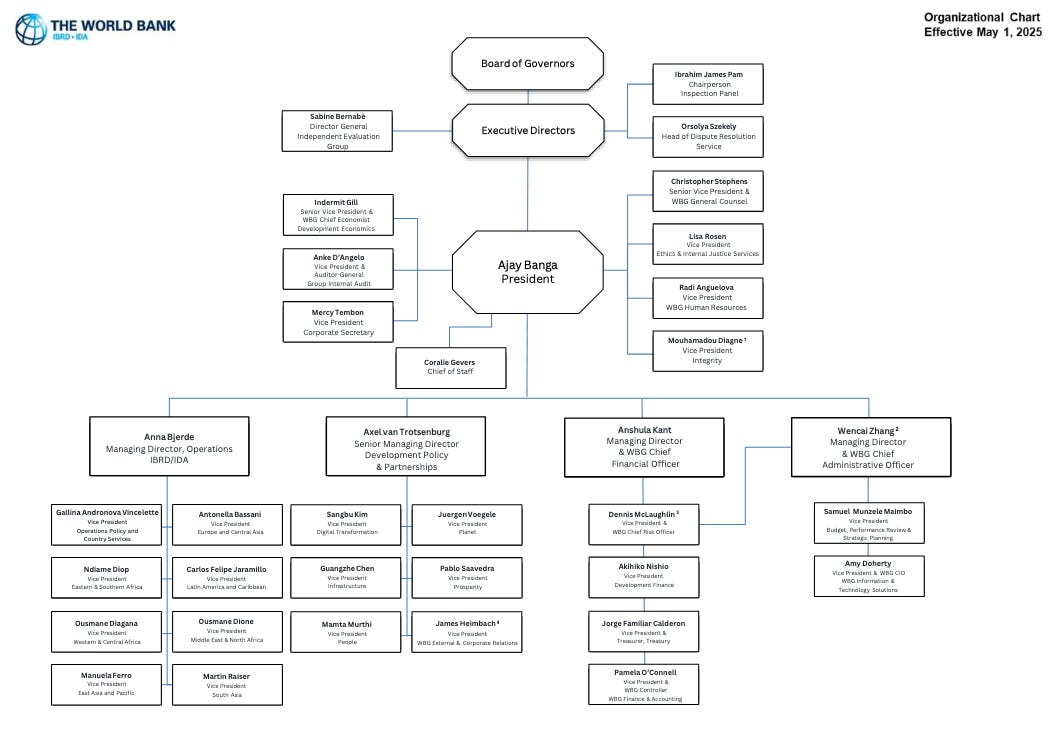
Review the organizational structure and identify your target units
Join the World Bank Open Learning Campus for free development courses
Technical Requirements:
Create an account on the World Bank Group careers portal
Ensure you meet nationality requirements (must be from a World Bank member country)
Verify age requirements for specific programs (YPP: must be born on or after October 1, 1992)
Confirm language proficiency in English
Decoding World Bank Job Postings
World Bank job postings contain crucial information that most applicants miss. Here's how to read between the lines:
Understanding Global Practices: The World Bank operates through 14 Global Practices, including Education, Health, Finance, and Infrastructure.
Your application success depends on aligning with a specific Global Practice's needs, not the Bank's general mission.
Grade Levels Matter:
GA to GE: Entry to mid-level positions
GF and above: Senior positions requiring extensive experience
Consultant positions: Short-term (150 days max) or Extended Term (3-year lifetime cap)
Key Screening Criteria: Every posting includes mandatory screening questions.
The Bank explicitly states: "If candidates give false responses to the screening questions, we will reject that application."
Answer these questions honestly and completely.
Application Form Optimization Strategy
The online application form is your first real test.
You have 15-30 minutes to complete it, with a maximum 2-hour window before automatic disconnection.
Statement of Interest Excellence: Your Statement of Interest is critical. Selection committees read it carefully to understand your motivation and unique qualifications. Here's the winning formula:
Open with impact: Start with a specific achievement relevant to development work
Connect to the Global Practice: Demonstrate knowledge of their current projects and priorities
Show measurable results: Use concrete examples with quantifiable outcomes
Address the role requirements: Directly respond to key qualifications listed in the job posting
Close with value proposition: Explain exactly what you'll contribute to their team
Screening Questions Strategy: Treat screening questions as mini-essays. The Bank uses these for longlisting, so generic yes/no answers won't differentiate you. For experience questions, provide specific examples with context, actions taken, and results achieved.
CV/Resume Tailoring for Development Roles
Your CV must demonstrate clear specialization within a development sector. The biggest mistake candidates make is presenting a jumbled mix of experiences without coherent focus.
Structure for Success:
Professional Summary (3-4 lines): Lead with your development specialization and years of relevant experience. Mention specific technical skills valued by your target Global Practice.
Core Competencies: List 8-10 technical skills directly relevant to development work. Include:
Specific analytical software (STATA, R, Python, etc.)
Language proficiencies beyond English
Sector-specific expertise
Project management methodologies
Professional Experience: For each role, use this format:
Position Title | Organization | Location | Dates
Brief context about the organization/project
3-4 bullet points focusing on:
Development impact achieved
Technical skills demonstrated
Leadership or collaboration examples
Quantifiable results
Education Section:
List degrees in reverse chronological order
Include thesis/dissertation titles if relevant to development
Mention relevant coursework for recent graduates
Add academic honors and scholarships
Interview Preparation Framework
World Bank interviews follow predictable patterns.
Most positions involve either one-on-one interviews with 3-4 interviewers or panel interviews with technical and behavioral components.
Interview Format Breakdown:
Screening Interview (HireVue): 4 questions in 18 minutes, recorded automatically. Common questions include:
"What would your colleagues say your strength is?"
"Why do you want to work at the World Bank?"
"Describe a challenge facing your sector"
"Tell me about a time when you had to work with difficult stakeholders"
Panel Interview: 1-hour session with 3 panelists typically including:
Senior staff from your target Global Practice
HR representative
Technical expert in your specialization area
Assessment Center (for YPP):
45-minute group exercise
15-minute written reflection
30-minute presentation to mock "client"
Question Categories and Sample Responses:
Technical Questions: "How would a road construction project affect the economic situation of a rural community?"
Strong Answer Framework: "A road construction project would have multiple economic impacts. Direct effects include job creation during construction and improved market access post-completion. Indirect effects include reduced transportation costs, enabling farmers to access larger markets and inputs more affordably. However, we'd need to consider potential negative impacts like increased land prices displacing vulnerable populations. I'd recommend conducting a social impact assessment and implementing mitigation measures like skills training for local workers and support for displaced families."
Behavioral Questions: "Tell me about a time when you had to manage multiple stakeholders with conflicting interests."
Strong Answer Framework: Use the STAR method (Situation, Task, Action, Result):
Situation: "While managing a water access project in rural Bangladesh..."
Task: "I needed to balance the priorities of the local government, community leaders, and our donor requirements..."
Action: "I organized separate consultation sessions with each stakeholder group, then facilitated a joint workshop to identify common ground..."
Result: "This approach led to a revised project design that incorporated all key concerns and was delivered on time and under budget."
Motivation Questions: "Why do you want to work at the World Bank?"
Strong Answer Elements:
Connect your personal/professional background to development
Reference specific Bank initiatives or Global Practice work
Demonstrate understanding of the Bank's operational model
Show how your skills address current development challenges
Weak Answer: "I grew up in a developing country and want to give back."
Strong Answer: "My experience implementing microfinance programs in Southeast Asia showed me the power of well-designed financial inclusion initiatives. I've studied the Bank's recent work on digital financial services in Indonesia and Kenya, and I'm excited about contributing to similar innovations in other IDA countries. My background in fintech product development and fluency in Bahasa Indonesia would allow me to immediately contribute to expanding these successful models."
Common Mistakes to Avoid
Application Stage Mistakes:
Generic Applications: Submitting the same CV and cover letter for multiple positions. Each application should be tailored to the specific Global Practice and role.
Weak Specialization: Presenting yourself as a generalist rather than demonstrating deep expertise in the development sector.
Poor Screening Question Responses: Giving brief, generic answers instead of detailed examples with context and outcomes.
Missing Deadlines: Applications submitted after posted deadlines aren't accepted. The YPP application window closes at 11:59 UTC on September 30 with no exceptions.
Ignoring Nationality Requirements: Only nationals of World Bank member countries are eligible. Verify your country's membership status.
Interview Stage Mistakes:
Insufficient Research: Not understanding the Bank's current strategic priorities or your target Global Practice's recent work.
Generic Development Talk: Speaking in platitudes about "helping the poor" instead of demonstrating technical understanding of development challenges.
Weak Examples: Using academic or theoretical examples instead of real-world professional experiences with measurable impact.
Poor Stakeholder Understanding: Not recognizing that Bank staff work with government officials, private sector partners, and civil society organizations requiring diplomatic and technical skills.
Document Preparation Mistakes:
Exceeding Page Limits: CVs longer than 2 pages are automatically flagged. Edit ruthlessly to highlight the most relevant experiences.
Spelling and Grammar Errors: Applications with language mistakes are often eliminated early in the screening process.
Weak Thesis/Dissertation Abstracts: Submitting academic abstracts that don't connect research to development practice or Bank priorities.
Missing Supporting Documents: Incomplete applications aren't considered for advancement to subsequent rounds.
Internal vs External Application Processes
External Candidates:
Must create new account on careers portal
Subject to standard 75-day recruitment timeline
Require full documentation package
Go through complete screening process
Internal Candidates (Current World Bank Staff):
Use internal mobility system
May have expedited review process
References checked through internal network
Still must meet technical qualifications for new role
Consultant/Temporary Staff:
Short-term consultants eligible for staff positions after one-year cooling-off period
Extended-term consultants have lifetime 3-year cap but can apply for permanent staff positions
Must disclose current World Bank relationship in application
Final Success Strategies
Timing Your Application: Submit early in the application window. The Bank may begin evaluating applications before the closing date, and your status could show "Not Selected" before the deadline if later applicants are stronger.
Building Your Network: Attend World Bank virtual events and follow their social media presence. Current staff often share insights about upcoming opportunities and sector priorities.
Continuous Learning: Complete relevant courses on the World Bank Open Learning Campus. This demonstrates commitment to development and familiarity with Bank approaches.
Geographic Flexibility: Express willingness to work in country offices. Many candidates focus only on Washington, DC, but field experience is highly valued for career progression.
Long-term Perspective: The World Bank recruitment process can take several months. Continue developing your skills and experience while waiting. Many successful candidates apply multiple times before being selected.
The World Bank seeks candidates who combine technical expertise with practical development experience and cultural adaptability. Your application should demonstrate not just what you've done, but how your experience prepares you to tackle complex development challenges in diverse, multicultural environments.
Success requires understanding that you're positioning yourself as a development professional ready to contribute to the Bank's mission of ending poverty on a livable planet.
Every element of your application should reinforce this positioning with specific, measurable examples of impact.