Hi everyone,
For those hunting MDB jobs (which I’m guessing might be you), subscribe to the paid plan to get fresh job listings every Monday. Apply early and track positions before they disappear.
Wondering what’s included? Job listings from November 17, 2025 and earlier are now free to access. Check out the most recent unlocked post here.
Want to get your foot in the door? Landing a consultant role is the best first step. Consultancy opportunities are published every Friday for paid subscribers.
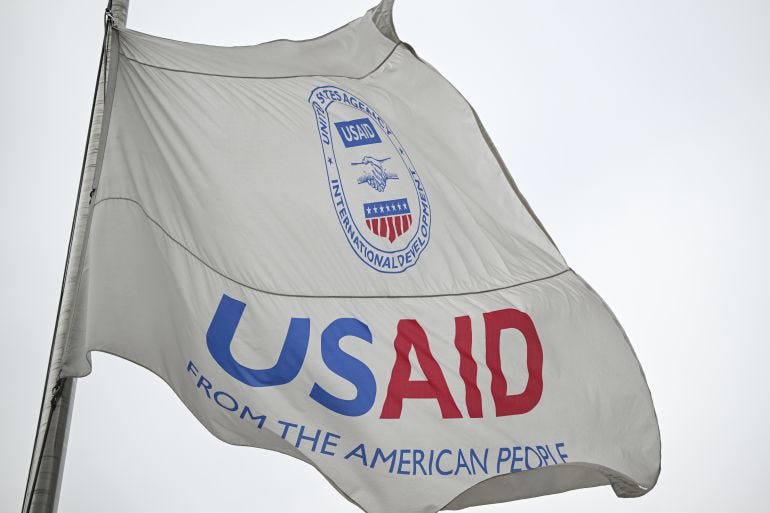
2025’s USAID and FCDO have obviously massively rocked the nonprofit world.
Hundreds of projects have been paused, and major NGOs are laying off staff in droves. If your NGO or nonprofit role was a casualty of these cuts, you’re not alone.
One move is to pivot toward multilateral development banks (MDBs) like the World Bank, Inter-American Development Bank or Asian Development Bank. MDBs operate on a different funding model and mission, offering a more stable platform for development work even as bilateral aid budgets shrink (I cover their funding model in detail here). Here’s how to leverage your experience and reposition yourself to land that MDB job.
Shift Your Mindset from Grassroots to Global
NGO veterans are usually excellent at hands-on problem solving and community-level impact. MDBs, however, operate at a broader scale. We finance national programs, make loans, influence policy, and coordinating with governments.
To compete for an MDB role, start thinking like a “bridge builder” and capacity-builder, not just a direct service provider. In practical terms, this means framing your field experience as evidence of your ability to deliver results on a larger stage. Highlight how you translated donor funding into measurable outcomes or influenced policy changes. Show that you understand the strategic big picture of development, not only the on-the-ground details. For example, if you managed an education project for an NGO, emphasize how you collaborated with government schools or contributed to national education strategy – this signals an MDB-ready perspective.
Translate Your NGO Experience into MDB Skills
Your nonprofit experience has given you valuable skills, and you just need to repackage them in terms MDB recruiters appreciate.
Start by pinpointing the core competencies MDBs seek and mapping your background to them. According to the World Bank, strong candidates demonstrate expertise in areas like economics, development finance, public policy, and project management .
You likely developed many of these skills in your NGO role.
Did you handle budgeting and donor reporting? That’s financial and analytical experience. Did you coordinate multi-partner projects? That’s project management and stakeholder engagement.
Make sure to highlight field experience, which World Bank insiders say is highly valued: any time spent working in developing countries or directly with communities shows passion and “readiness” for development work. If you’ve worked across sectors or countries, play that up. MDBs really value the ability to work in cross-cultural teams on multi-country projects. And if you’ve engaged with government officials or policies through your NGO, underscore it. Experience partnering with governments or influencing policy is gold for institutions that work hand-in-hand with member countries.
Fill the Gaps (Education and Expertise)
Review the typical requirements for the roles you’re targeting at World Bank, ADB, or others, and address any gaps. One common worry is education. Many assume a master’s degree or PhD is an absolute must for MDB jobs. In reality, requirements vary by position – some technical or specialist roles might require advanced degrees, but in my experience these are essentially the exception to the rule.
Check each job’s criteria carefully. If you have the degree, great; if not, emphasize equivalent experience and be prepared to explain how your practical know-how compensates. Consider short courses or certifications to shore up any weak spots (for example, a certificate in project finance or monitoring and evaluation).
Also consider domain expertise. MDB positions are often more specialized than NGO roles. If you’ve been a generalist program manager, you might need to identify a specialization (like agriculture, health systems, or infrastructure) that matches the bank’s needs.
ADB, for instance, places a premium on expertise in areas like infrastructure investment, private sector development and emerging markets in Asia . If your background is outside the region or sector, start building your knowledge base – read up on ADB’s projects, learn the jargon, even take part in relevant workshops. Showing that you speak their language and understand their focus areas can set you apart.
Reframe Your Resume and Cover Letter
Now it’s time to put it all together in your application. Reframe your resume to spotlight the experiences and achievements most relevant to MDBs. Use clear, impact-oriented language: e.g., “Led a $5M USAID-funded health project reaching 50,000 beneficiaries, informing national health policy” – this highlights scale, funding, and policy impact. A development career expert advises viewing your abilities from different angles and conveying them creatively to open new opportunities. In your CV and LinkedIn, explicitly include keywords like “project finance,” “policy dialogue,” “donor coordination,” or “public-private partnership” if you have those experiences – these terms resonate with MDB hiring managers.
Craft a targeted cover letter as well. Don’t just rehash your CV; instead, use the letter to connect the dots between your past work and the bank’s mission. A former World Bank HR recruiter recommends acknowledging any obvious gaps in your background but then explaining your motivation and what you’ll achieve in the MDB role. Be direct and confident about the value you bring. Remember, this is not a grant proposal – it’s a pitch for why you will excel at advancing an MDB’s development agenda.
Leverage Early- and Mid-Career Entry Points
Whether you’re early in your career or more seasoned, there are specific pathways into MDBs you should exploit:
Young Professionals Programs (YPP): Most MDBs have competitive YPPs geared toward early-career professionals (typically under age 32 with graduate degrees). These programs recruit “bright young minds” and groom them for leadership. If you meet the criteria, YPPs are a golden ticket – they offer a foot in the door as full-time staff. Highlight your passion for development, strong education, and 2-6 years experience when applying, as these are key YPP selection factors.
Internships and Short-Term Consultancies: If you’re still early career or shifting sectors, consider an internship or short contract. The MDBs regularly hire short-term consultants (STCs) for specific projects (I provide a list of these each Friday for paid subscribers). These roles may not have the security of staff jobs, but they let you prove yourself. Once inside, many consultants transition to staff roles over time (this path is so common it’s practically expected in some teams). Use these opportunities to network internally and build a track record.
Mid-Career Hires and Lateral Entries: For those with a decade or more of experience, MDBs do hire mid-level professionals directly for specific expertise. Focus on roles like sector specialists, project officers, or advisors where your NGO-honed expertise fills a need. For instance, if you’ve led climate adaptation projects, MDB climate finance teams could be interested. Emphasize leadership experience, and how you managed complex programs or multi-million budgets – this demonstrates you can handle the scale and complexity of MDB operations. Also consider the Donor-Funded Staffing Programs some MDBs offer in partnership with governments; they bring in external experts on term appointments (though with FCDO and USAID budgets tight, those slots may be fewer for now).
Network in MDB Circles
Yeah, I know. Networking sucks. No one likes it. But… it works. I’d recommend you reach out to your contacts in the MDB space and build new ones: former colleagues who moved to a bank, people you met at donor meetings, alumni from your university who work in international finance, etc. Reach out for informational interviews. Attend events (many MDBs host webinars, civil society forums, or career fairs, especially around their Annual Meetings) and engage with MDB professionals. Showing up in the MDB community can put you on recruiters’ radar and yield insider tips.
Stay Resilient and Strategic
Finally, approach this transition as a strategic campaign. The development job market is tight right now – with aid cuts, there’s an influx of talent and fewer positions – so expect competition and the possibility of a longer search. But there is bright spots: certain areas (like climate, sustainable finance, and corporate partnership roles) are seeing growth despite the cuts. Target sectors or initiatives where MDBs are ramping up efforts (e.g. climate innovation, pandemic recovery, infrastructure in emerging markets) and align your application to those.
Above all, keep your morale high. Remember that your NGO experience is exactly the kind of experience MDBs need to stay connected to reality. You’ve proven you can deliver impact; now you just need to convey that confidently to a new kind of employer. As you reposition yourself for to explore World Bank jobs, or any other MDB, stay focused on your core mission: reducing poverty and improving lives. That mission hasn’t changed, only the scale and platform have. With the right positioning, you can continue that work on a global stage and drive change where it counts.
Make sure you subscribe to MDB Jobs to get the latest vacancies delivered straight to your inbox each Monday.