MDB jobs disappear fast. Are you tracking the latest openings?
Subscribe to the Premium Plan and never miss an opportunity:
Get Staff roles on Mondays
Get Consultant roles on Fridays
Grab a free trial here to see what you’ve been missing (no payment required).
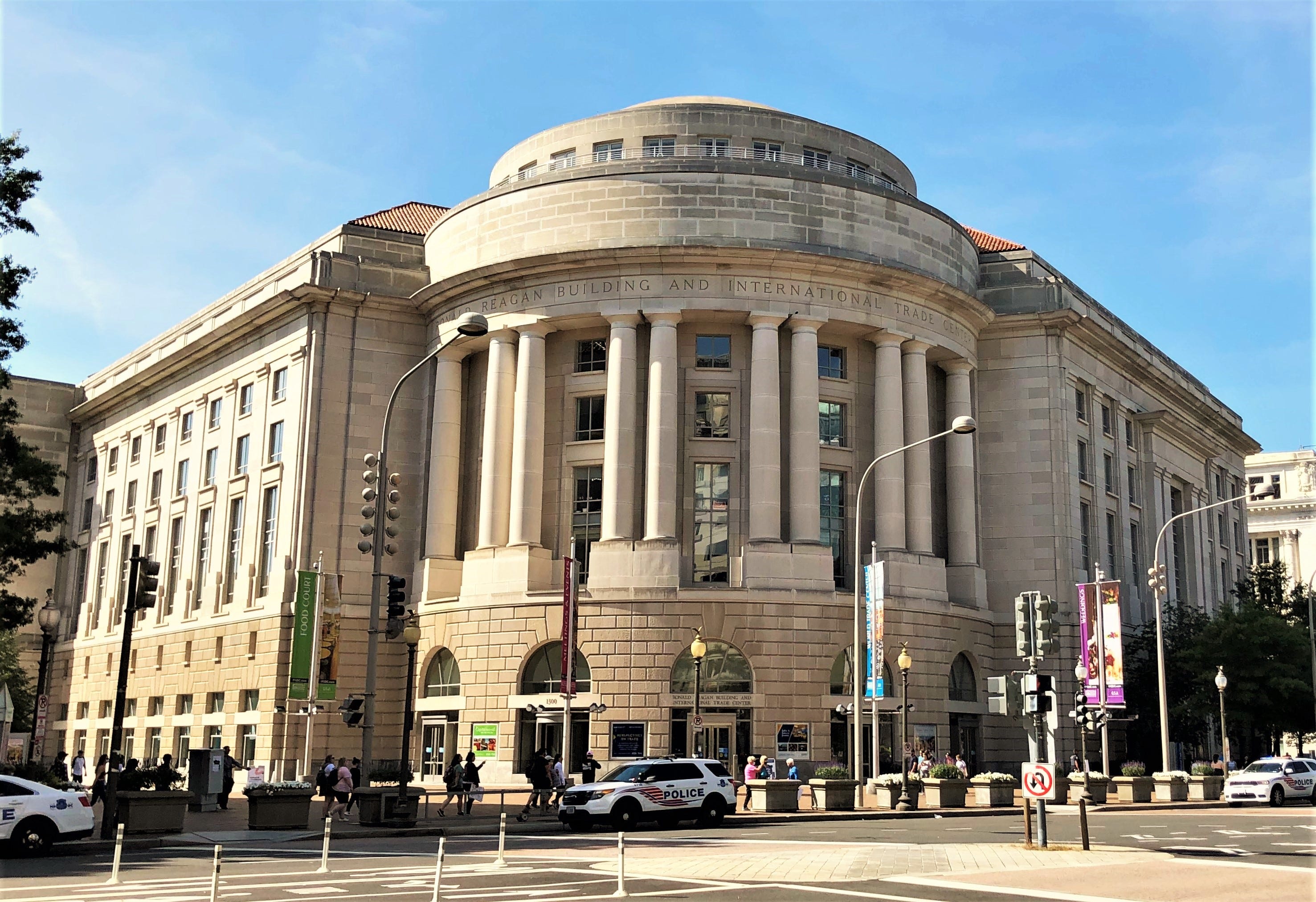
The era of the benevolent donor, characterized by the steady flow of Western grants and the post-war consensus of the 0.7 percent aid target, did not end with a bang. It ended with the quiet rustle of packing boxes in the Ronald Reagan Building and the cold, arithmetic efficiency of a German budget ledger.
By early 2026, the global development landscape has undergone a transformation so profound that it resembles a corporate restructuring more than a shift in foreign policy. As the traditional pillars of aid crumble under the weight of domestic populism and fiscal exhaustion, a new, more transactional architecture is rising in its place. This is the story of the Great Contraction, a moment when the world’s most powerful nations decided that development was a subset of national security, and when the professional class of the international system had to learn the language of investment banking or face obsolescence.
The first domino fell in the summer of 2025. On July 1, the United States Agency for International Development, an institution that had defined American soft power for six decades, ceased to exist as an independent entity. The machinery of American aid was being dismantled, bolt by bolt. Over five thousand contracts, representing nearly 76 billion dollars in global commitments, were vaporized almost overnight. The survivors were a mere skeleton crew of 250 personnel, folded into the State Department under a new Under Secretary for Foreign Assistance. This was the ultimate expression of a new, transactional statecraft.
The American approach shifted from values-led partnership to a “Pathogens and Minerals” strategy. In the Democratic Republic of the Congo, health assistance became the leverage for preferential access to critical mineral reserves. In Nigeria, aid was redirected toward faith-based providers. The message was unmistakable: the era of the disinterested grant was over.
Across the Atlantic, the retreat was equally clinical. In London, the United Kingdom formally abandoned its long-held identity as a donor. Baroness Chapman, the International Development Minister, articulated a philosophy that would have been heresy five years prior. The UK would now act as an “investor.” The goal was no longer to deliver services, but to support systems that could eventually pay for themselves. The aid budget was floor-drafted to 0.3 percent of GNI by 2027, with the savings diverted to a massive increase in defense spending. Development professionals in the FCDO found themselves in a practical scramble. They were no longer project managers, they were now expected to be “system orchestrators” who could link the expertise of the City of London to the fiscal needs of developing states.

In Berlin, the shift was even more jarring. Chancellor Friedrich Merz, leading a government focused on rigid fiscal consolidation, abandoned the 0.7 percent ODA target that had been a point of German pride for decades. The humanitarian budget was slashed by half. For the first time in thirty years, the world’s four largest donors (the United States, the United Kingdom, Germany, and France) were cutting their budgets simultaneously. This was a permanent rupture in the post-war aid consensus. The global aid system was facing its own “Nokia moment,” where the old product was no longer viable and the new one had yet to be fully built.
Into this vacuum stepped the Multilateral Development Banks. If the bilateral agencies were the casualties of the Great Contraction, the MDBs were the intended beneficiaries. The G20 Roadmap for MDB Reform, released in early 2026, envisioned institutions that were “Better, Bigger, and More Effective.” This was the financialization of development in its purest form. The banks were being pushed to double their private capital mobilization, a concept that’s the MDBs’ holy grail: the art of using a sliver of public money to lure a flood of private investment into projects that Wall Street once deemed too risky. This required a new kind of expert, someone who understood “blended finance.” In plain terms, blended finance is a financial safety net, where the bank takes the first loss so the private investor can feel secure enough to step in.

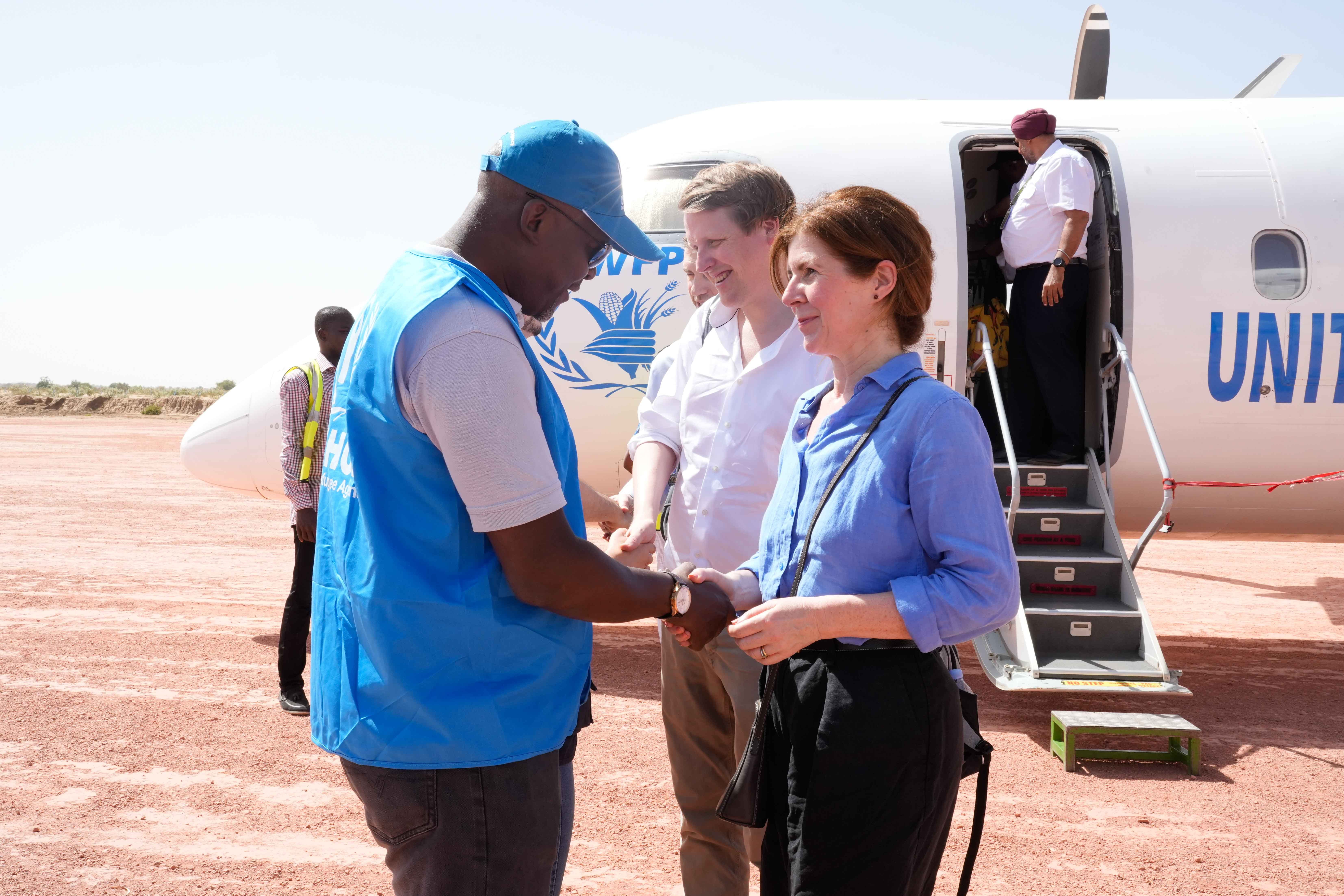
The stakes of this transition are measured in human lives. At the United Nations, the atmosphere in 2026 is one of controlled desperation. Tom Fletcher, the UN Under-Secretary-General for Humanitarian Affairs, found himself overseeing a “Humanitarian Reset.” With 239 million people in need of assistance and a budget that could only realistically cover a fraction of them, Fletcher was forced into what he called “excruciating decisions.” The UN80 Initiative sought to address a crippling liquidity crisis by merging agencies and eliminating duplication. The proposed merger between UN Women and the UN Population Fund was the centerpiece of this consolidation, a desperate attempt to maintain a footprint in a world where the major powers were looking for the exit.
The only area of growth was in the realm of hard-nosed investment. While USAID was shuttered, the U.S. International Development Finance Corporation saw its investment cap nearly triple to 205 billion dollars. This was the West’s answer to China’s Belt and Road Initiative. The DFC became a war chest for “geopolitical transactionalism,” financing undersea cables, nuclear energy plants, and transport corridors like the Lobito Corridor in Africa. The DFC was no longer looking for aid workers; it was looking for investment bankers who could navigate sovereign debt architecture and manage risk-tolerant portfolios.
This realignment has created a new hierarchy within the global professional class. The “generalist” resume, once the gold standard for a career in development, has become a liability. The market now rewards a hybrid of financial, digital, and geopolitical skills. In Addis Ababa, the African Union is recruiting “Digital Innovation Fellows” to “Code for the Continent,” bypassing traditional aid structures in favor of direct technical intervention. The implementation of the African Continental Free Trade Area has created a surge in demand for industrial policy experts who can leverage “green minerals” for sustainable development.
As the UN system consolidates and the old donor agencies fade into history, the lesson of 2026 is clear. The “polycrisis” of debt, climate change, and conflict has outpaced the ability of any single nation to address it through charity. The era of the donor is dead, replaced by a system of system-supporting investors. The success of this new model depends on whether these reformed institutions can balance their new transactional mandates with the original promise of development: the pursuit of a more equitable world. For the professionals navigating this shift, the mandate is simple. Adapt to the logic of the market, or be left behind in the ruins of the old consensus.
Make sure you subscribe to MDB Jobs to get the latest vacancies delivered straight to your inbox each Monday, and consultant positions each Friday.